by Sanaz Amidi, April 2025
As Special Advisor to CVAN London, my recent experiences at Frieze London 2024 and Art Dubai Digital 2025 have provided insights into the global digital art landscape. These events offer considerations on how London can position itself at the forefront of this rapidly evolving field.
Frieze London, expertly curated by Eva Langret and Nathan Clements-Gillespie, showcased a dazzling array of digital works that push the boundaries of artistic expression. Lawrence Lek’s immersive VR installation and Ryoji Ikeda’s data-driven data.gram series particularly stood out, as artists harnessed cutting-edge technology in their practice.
As cities worldwide compete to attract creative talent, London’s art institutions and policymakers must ensure they provide the necessary support and resources for artists to experiment with emerging technologies. The city’s vibrant tech sector and diverse cultural heritage provide an excellent foundation for this.

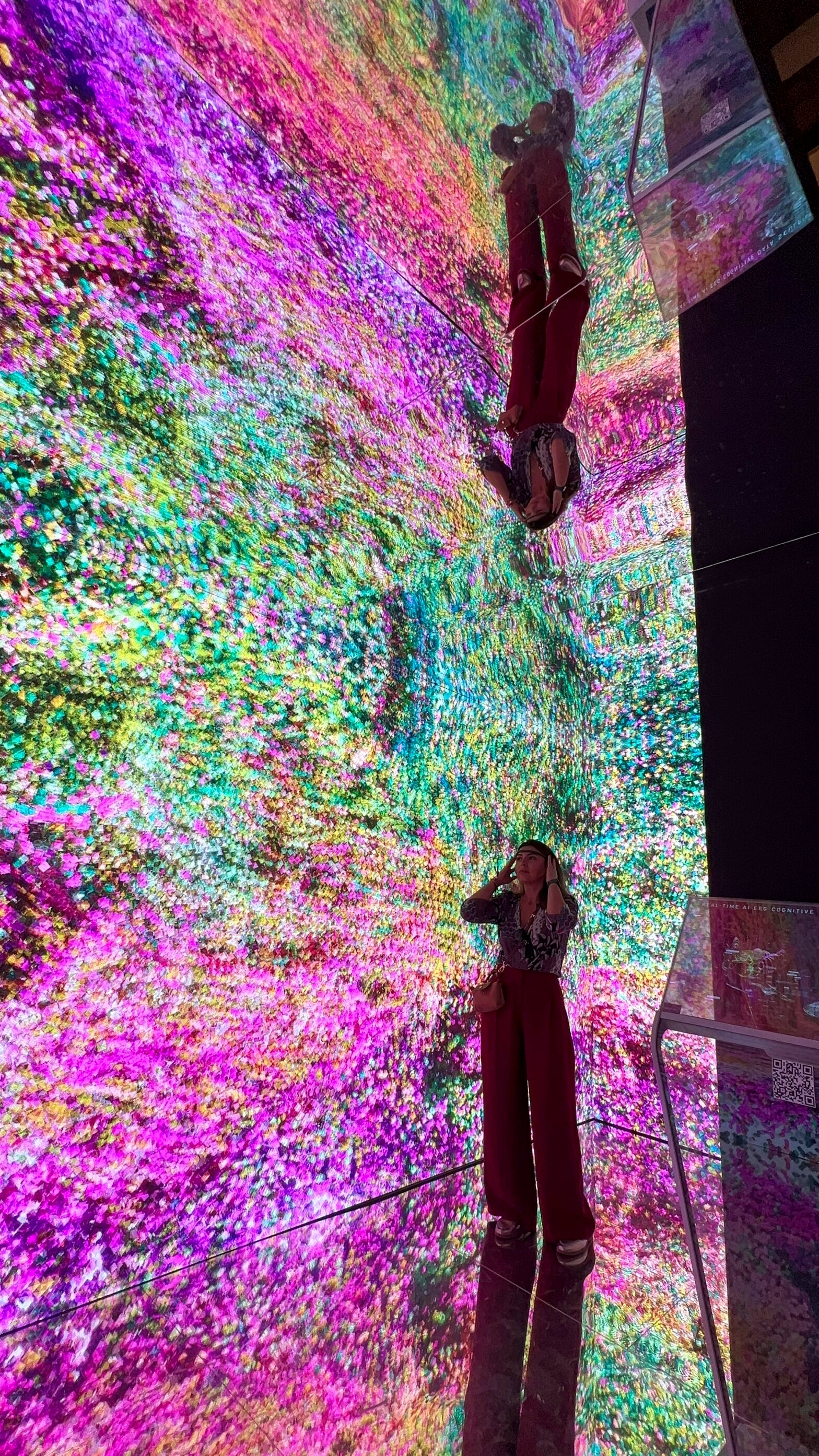
Art Dubai Digital, curated by Gonzalo Herrero Delicado, took a more critical stance with its theme After the Technological Sublime, offering valuable lessons for London in balancing technological innovation with social and environmental responsibility. BREAKFAST’s Carbon Wake and Jacopo Di Cera’s Retreat, 2025 serve as powerful examples of how digital art can address pressing global issues – a direction that aligns well with London’s ambitions to be a leader in sustainable urban development.
These international trends present significant opportunities for CVAN London and the wider London art scene. The organisation’s Data Matters initiative is well-positioned to capitalise on the growing importance of data in artistic practice. However, there’s potential to expand this further, perhaps by facilitating international collaborations or establishing London as a hub for data-driven art.

Drawing from global best practices, London could consider the following strategies:
- Cross-sector Collaboration: Encourage partnerships between art institutions, tech companies, and environmental organisations to create innovative, socially responsible digital art projects.
- International Artist Residencies: Expand programmes that bring international digital artists to London, fostering knowledge exchange and cross-cultural collaboration.
- Policy Innovation: Develop forward-thinking policies that support digital art creation, exhibition, and preservation. This could involve increased funding for digital art projects and integrating digital art into public art commissions.
- Educational Integration:Enhance digital art curricula, ensuring the next generation of artists are equipped with global-standard skills.
- Sustainable Digital Art Practices: Pioneer eco-friendly approaches to creating and exhibiting digital works, setting a global standard for sustainability in the digital art world. Initiatives like using solar-powered installations or recycled materials in digital art projects can be explored.
- Copyright Legislation and IP Protection: Strengthen copyright legislation and intellectual property protections for artists. As digital art becomes more prevalent, safeguarding artists’ rights to their creations is crucial. This can involve updating current legislation to address the unique challenges posed by digital media and AI, ensuring artists retain control and receive proper recognition and compensation for their work.
From an international perspective, London has unique strengths it can leverage- its diverse population, strong tech sector, and rich cultural heritage provide a fertile ground for digital art innovation.
The digital art landscape observed at Frieze London and Art Dubai Digital demonstrates the need for cities to adapt quickly to technological changes while maintaining their unique cultural identities. For London, this means embracing digital innovation while continuing to nurture its rich artistic traditions.The global digital art scene is evolving rapidly, presenting both challenges and opportunities for cultural hubs like London. By learning from international examples and leveraging its unique strengths, London has the potential to not just participate in this evolution, but to lead it.